
How to choose an ultralight backpack tent? The most ultralight backpacking tents help gram-conscious adventurers trim back the weight of their load. The tradeoff? These designs require more user care and, for some models, more time to set up than beefier builds. All things considered, these noodle-weight tents are a great option for long-distance trekkers, thru-hikers, and other seasoned outdoor travelers wanting to slim down the burden of their supplies.
Seasonality
Tents are typically built for three-season or four-season conditions. A three-season tent will suffice if you plan on using your tent across the spring, summer, and fall.
The infrastructure of a three-season tent can handle rain and light snow. Typically, these builds are not ideal for heavy snow, super-high winds, or vicious storms — like the harsh or blizzard conditions you might face while ski mountaineering. A four-season tent is a better choice for full-on winter, the weight of snow, and strong winds. http://HK-020
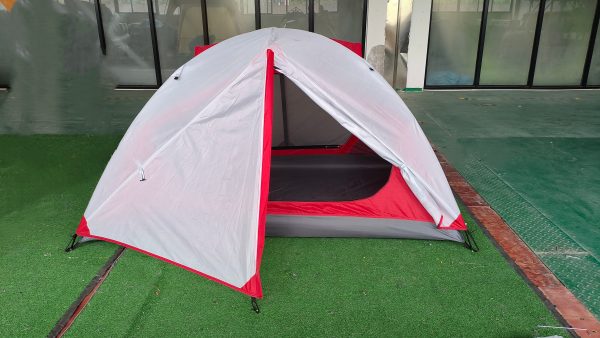
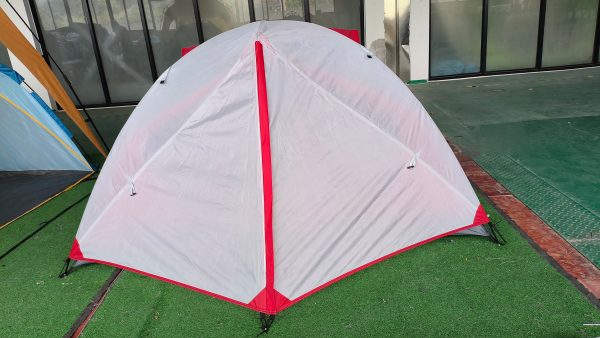
Ultralight Backpack tent Capacity & Doors
Folks aiming for ultralight backpacking tents usually invest in a one- or two-person design. Three- and four-person ultralight tents exist too.
Your ideal tent size depends on the number of campers, their overall size, and how much equipment needs to be stored. Brands categorize their tents based on the number of people, but the dimensions — length, width, height, and vestibule size — vary from tent to tent.
The tent’s peak height, which is where the tent is the tallest, also differs between each model. Get out your tape measure as you research. It’s also a good idea to visit a local retailer where the tent can be set up for you to check out in person.
You’ll want to consider whether one or two doors are more functional for you. Two doors can be helpful for each sleeper to have their own exit and entry. But, eliminating a door can cut weight and cost.
Single-Wall vs. Double-Wall
Tents are either a single-wall or double-wall design. Single-wall tents are lighter weight, nonbreathable, waterproof, and don’t include a rainfly. They typically don’t offer as much storage for gear.
A double-wall tent actually contains two items: a breathable tent that’s paired with a waterproof rainfly. The setup usually offers vestibule space to stash equipment. The kit weighs more and requires more time to setup compared to a single-wall tent. Single-wall tents are less breathable and produce more condensation.
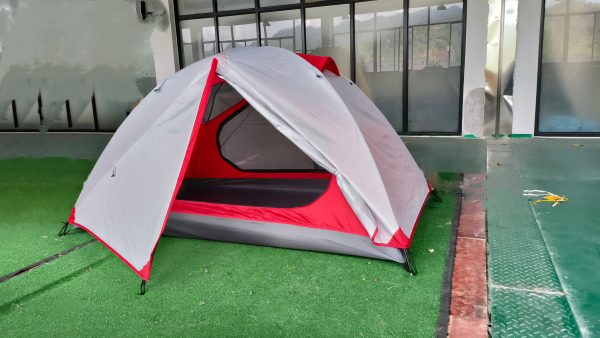
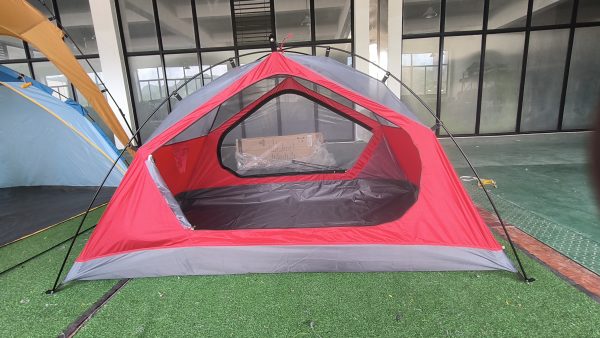
Ultralight Backpacking Tent Details
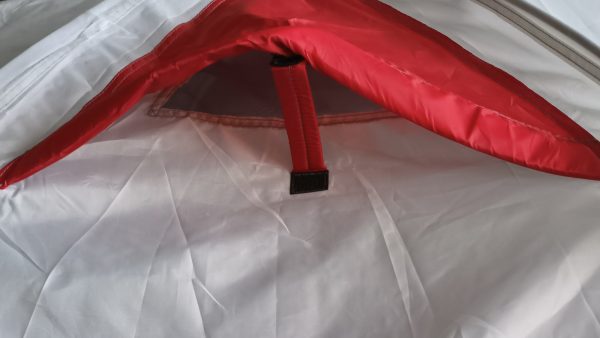
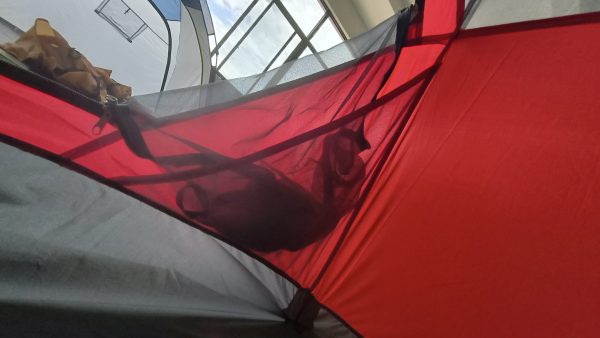
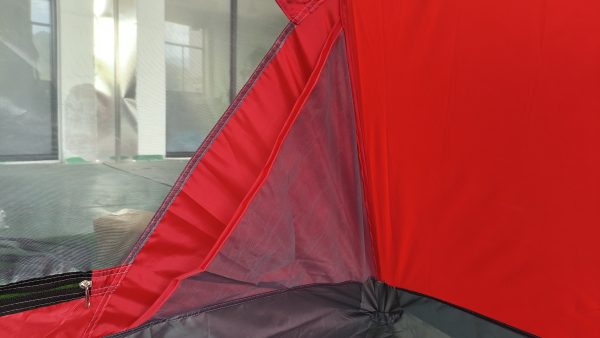
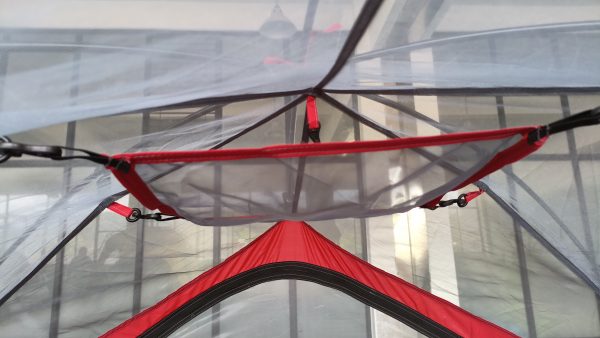
If you want to learn more about the ultralight tent, please click on the official website http://www.hawktent.com