How to choose a backpacking tent?
Backpacking Tent Seasonality
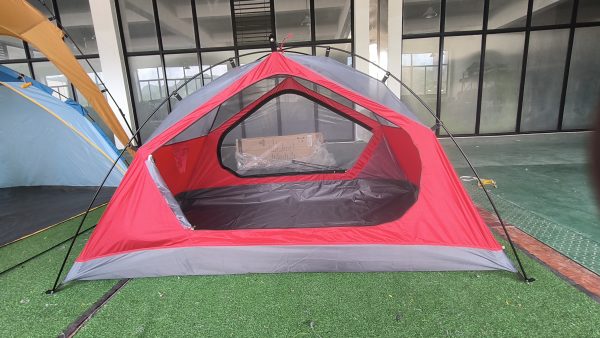
Your main choice is between a 3-season and a 4-season tent. The vast majority of hikers, especially newcomers to the backcountry, will choose a three-season tent. Because worst-case weather scenarios won’t be the same for every trip, frequent backpackers sometimes choose to own more than one tent.
Backpacking Tent Weight
The weight of your backpacking tent is a big part of your overall load, so tent designers work hard to keep weight low. Your biggest tradeoffs to cut weight are having less space, fewer features and less durability over the long haul. If you choose carefully, though, you should be able to find a lightweight tent that feels reasonably roomy and comfortable to you.
While heavy-duty materials make a tent more durable, ultralight tents can be surprisingly sturdy. If you want a premium ultralight tent, you’ll pay more for ultralight-yet-strong materials. Also, the term “ultralight” is used liberally by brands—if every ounce matters, then check specs carefully when you shop.
Key Tent Specs
- Minimum trail weight: This is the weight of the tent body, rainfly and poles only—the bare essentials. You will probably pack more tent-related gear (e.g., stakes, footprint), but this is the best spec for comparison. (Note that some ultralight shelters are designed to function without the need for a separate rainfly or tent poles, so their minimum trail weights will reflect only the essential components that come with those tents.)
- Packaged weight: This is the weight of all the components you get with a purchase: body, rainfly, poles, stakes, stuff sack pole sack, instructions and more. The weight you’ll carry on the trail will be somewhere between this and the minimum weight.
- Packed size: The amount of space the tent takes up in a pack also relates to how easy a tent is to carry. You can reduce this space by splitting up components—have your partner take the poles and rainfly, for example, while you carry the tent body. You can also save a few extra ounces when you do this by leaving the tent storage bag at home.
Additional Features that Improve Tent Livability
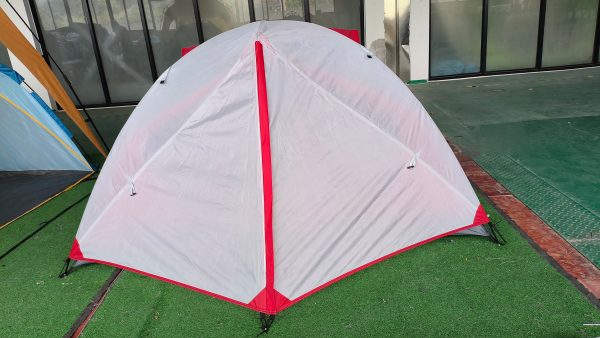
Rainfly color: Light, bright fly colors transmit more light inside, making the interior brighter. That will make a tent feel more spacious and make it a more pleasant place to be if a storm keeps you tentbound for an extended time.
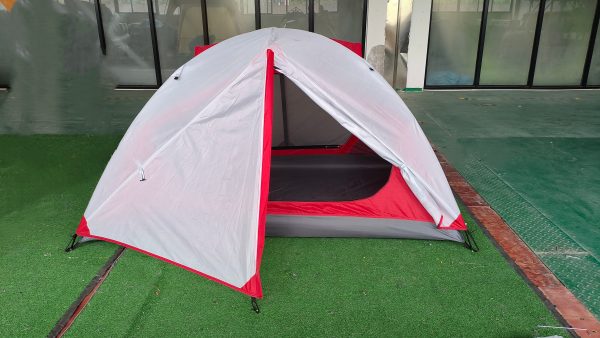
Doors: Tent designers focus on door shape, zippers and other adjustments, but the most important question is: How many? It’s nice when every sleeper has a door. Choosing a multiperson tent with a single door, though, cuts weight and cost.
Vestibules. These rainfly extensions offer sheltered storage for boots and other gear. An oversized floor area would offer the same advantage, but it would also create a heavier tent. Most tents have vestibules and their size is included in the specs. Bigger is better, but cavernous vestibules can add weight and cost.
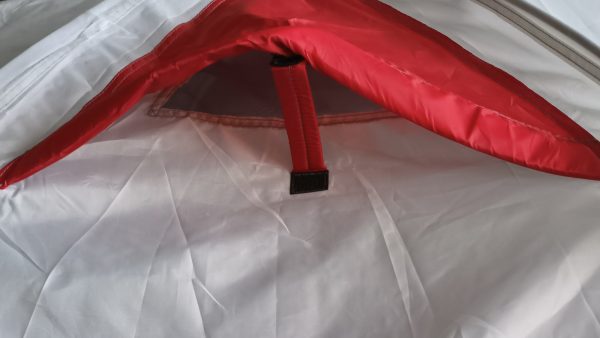
Ventilation: You exhale moisture as you sleep and a tent needs ways to deal with that. That’s why features like mesh windows or panels and adjustable rainfly vents are important: They let you increase airflow to prevent condensation buildup inside. Being able to roll up rainfly doors or panels can also boost ventilation. As a bonus, it also lets you open up views to gaze at stars or witness the sunrise.