
How to choose a camping tent? There are a lot of tents out there.
As one of the most crucial pieces of camping gear, the ideal tent needs to be sturdy, reliable, and appropriate for your trip.
Whether you’re heading out for your first weekend getaway or looking to upgrade your current shelter, tent shopping is stressful to say the least.
This guide will help you navigate the many terms and considerations that go into choosing a quality camping tent.
Our goal? To put you on the fast track to the outdoors!
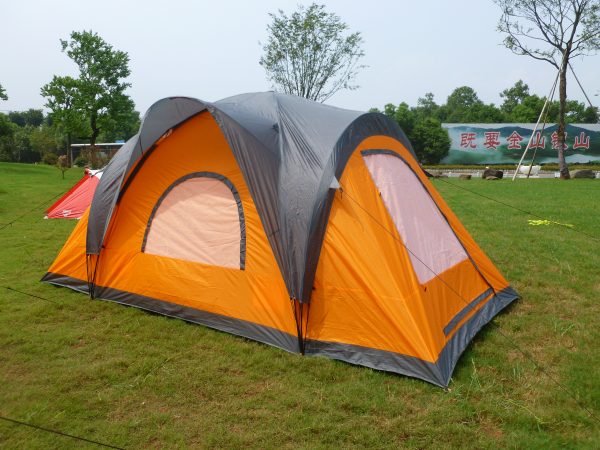
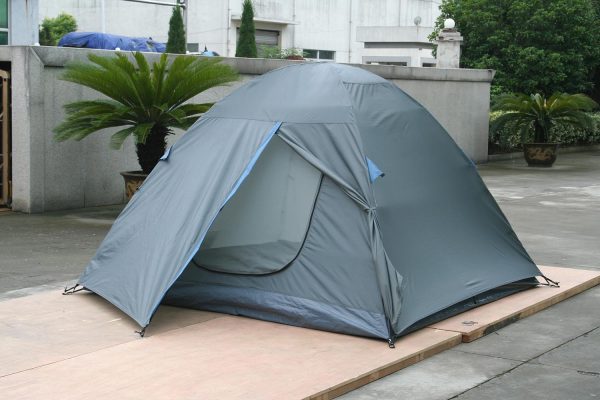
Step 1: Camping Tent Determine Budget
Tents come at all shapes, sizes, qualities, and prices. You’d be hard to find an outdoor gear company that hasn’t joined the already massive tent market.
While you may be tempted to drop additional money for a brand name tent, you’ll find that the outdoor industry is a buyer’s market when it comes to tents!
Set your budget first; this will automatically narrow your buying options and give you a more manageable number of shelters to explore.
As you gain more camping expertise, you’ll be able to better plan out your next tent budget.
Step 2: Consider Group Size
Now that you’ve narrowed your search based on budget, you’ll now want to look at tent capacity.
Any reputable tent manufacturer will include a shelter capacity so that you can accurately determine the size of a tent without focusing too much on the dimensions.
Be careful though; tent capacity is usually labeled by maximum capacity.
If you’re looking for personal space in your shelter, consider tents that are rated for your group size plus one!
Step 3: Determine Trip Type
Your trip type is pretty straightforward: are you car-camping or backpacking?
It’s easy to differentiate between car-camping tents and those designed for long-distance hikes, as car-camping tents will be heavier, larger, and include more features than backpacking tents.
While you can use a backpacking shelter for car-camping, you’ll need to accept the fact that your shelter won’t have nearly as much space, and therefore may not be ideal for lounging or escaping bad weather.
Regardless, be sure to know what your trip will look like; you don’t want to bring a car-camping tent on a long-distance hike!
Step 4: Consider Location/Season
Now that we’ve narrowed our options even further, we can now look at our Season tents.
While this decision may seem simple, be sure to take your location into account as well; the location is a factor in seasonality as much as the season itself.
If you’re going to be camping at higher altitudes, exposed areas, or locations with severe temperature changes, a 2-Season tent may not be the best choice –even if it’s Summer!
3-Season tents are typically the best option, as they allow season flexibility at affordable prices.
Step 5: Determine Features
Finally, determine the features that you’d like in your tent.
Some tents have multiple rooms for added privacy, while others have larger vestibules that allow for bug and weather protection whilst spending time outdoors.
If you’re looking for additional headroom, opt for a tent with larger height, or consider a wider floor so you have plenty of space to stretch out at night.
Some tents have minimal poles for easy set-ups and breakdowns, and others even offer separate spaces for pets.
There are too many additional features to list, but you’ll find that there will be plenty of tent options for every style of camping!