
How to choose a camping tent? As we tick off some things to look for when shopping for a tent, remember that the best way to get a feel for a particular model is to pitch it before purchasing, if possible. Many outdoor retailers will allow you to set up a tent in the store so you can learn firsthand how setup works and how its relative livability and functionality jibe with your needs and wants. Worse comes to worst, definitely pitch your newly bought tent in the backyard or somewhere else close by before committing to a farther-afield camping trip with it!
Camping Tent Size & Capacity
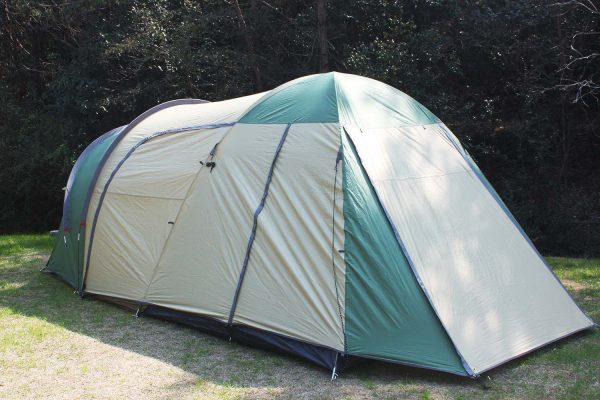
Tent capacity is rated by how many people can sack out within, but there’s no clear-cut standard. Pay attention to this rating—one-person, two-person, three-person, four-person tents, and so on—but also to the square footage of the floorplan. Will there be children, dogs, or lots of gear or equipment housed in a tent alongside the adults? Obviously , you’ll want a larger tent, in that case.
It goes without saying that people come in different shapes and sizes, so what works as a two-person tent for some folks just won’t cut it for others. Taller campers may need to go for more generous floor lengths than the usual 80-odd inches. Some people simply require more elbow room out of personal preference, or are particularly active sleepers; in such cases, sizing up by a per-person rating is likely a good idea.
Consider a tent’s peak height: that is, how tall the interior at its maximum clearance. Some campers aren’t too keen on changing clothes from a prone or sitting position; if you like to stand up to dress, you’ll want a taller peak. The overall shape of the tent (which we’ll get into next) influences this measurement.
Ease of Setup
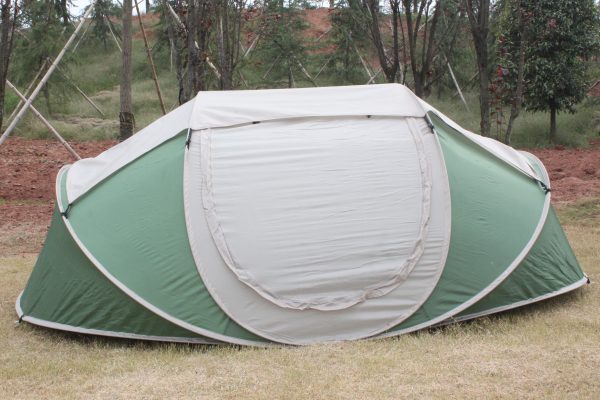
Choosing the right camping tent also means evaluating how easy it is to set up and break down (this, of course, underscores the value of pitching a tent in the store before buying). Keep in mind that you’re not always going to be able to make camp in optimal conditions (that’s a bit of an understatement). Pitching a tent in a gale force wind is quite a different proposition than doing so in a gentle breeze. Many a camping trip doesn’t quite get off the ground when intended, and at some point you’re probably going to be facing the prospect of (blearily) erecting your tent in full-on darkness. If you’re a backpacker collapsing after a hard day’s slog, ready to cook a quick dinner and then zonk out, you don’t want to monkey with a complicated tent setup.
Features that make a tent easier to set up include a free-standing design, pole clips rather than pole sleeves, color-coded pole segments and clips, and fewer poles in general (all this said, it’s also very much true that practice makes perfect, and once you’re familiar with your given tent model’s setup process—even a fussier one—you’ll likely be able to carry it out in double-time, unthinkingly).
Cost
It’s generally true that you get what you pay for when it comes to tents, but you certainly don’t need to spend a fortune to have a perfectly serviceable camping shelter. If you’re new to camping, a cheap tent is better than nothing, and can be a wonderful introduction to the pursuit.
If you plan on doing a lot of camping—and certainly if you’re interested in colder-weather trips or hardcore backpacking—spending a bit more for a high-quality tent definitely pays off: It’ll keep you more comfortable and protected, and it’ll last that much longer.