
How to choose a Dome tent?
Dome Tents are the most popular tent option due to being relatively inexpensive, easy to put up and take down, and being of a lighter and smaller packed down size than canvas tents. Dome tents are designed for a vast range of uses and desired conditions and are ideal for those who do a mixture of overnight/weekend trips or those who do not stay in one place when on a camping holiday.
What do you want to use dome tent for?
This is an extremely important question to ask as no single tent will suit all uses and conditions. Do you plan on using it for extended periods in summer at a camping ground? Do you want to use it while travelling around in a car or for use on weekend trips? Or do you want something light enough that you can carry in your pack while you walk to a camping spot? The next question is how big do you need the dome tent to be? There are obviously advantages and disadvantages to each size of dome tent. Large dome tents have more liveable space but are heavier, bulkier, and take up more room on both the campsite, and in the boot of the car. Conversely smaller dome tents offer the opposite advantages and disadvantages. If you have a family of 4 then you may need a multi room tent, but if it is for 1 person you could get away with a smaller option, the size of the tent should be relative to how much room you need to be comfortable on a camping trip.
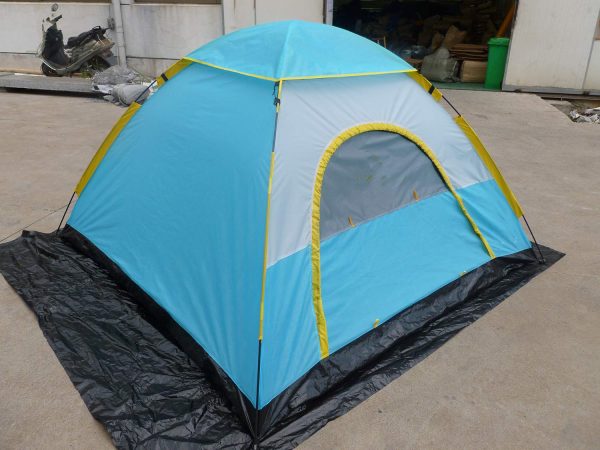
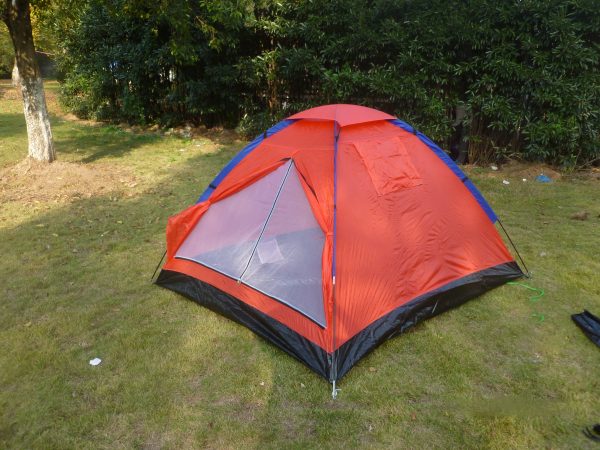
HELPFUL HINTS ABOUT DOME TENT
- Always follow the manufacturer’s instructions.
- If possible, try to pitch your tent with the rear of the tent facing the prevailing wind.
- If possible do not pitch your tent under trees. The dripping on your tent could keep you up at night and falling branches can damage your tent. Tree sap and bird droppings will cause irreparable damage to your tent.
- Always ensure that the fly is velcroed onto the frame (if this is part of the design), that way when all the guy ropes are pegged out, they will hold the frame of the tent in place. It also ensures that the guy ropes pull on the frame, not just the fly.
- Always peg out the guy ropes, it helps stabilise the tent, places any pressure on the correct aspects of the frame and can prevent damage in strong wind.
- Hit your pegs in at a 45 degree angle.
- Always pack away and store your tent completely dry – rain or condensation will rot your tent if it is packed away damp.
- Do not leave your tent pitched unnecessarily. UV light shortens the life of your tent.
- Leave windows open during the day to make for a cooler tent.
- When pushing the poles out of the pole sleeves, bend them slightly. This will keep the poles connected together. Pushing the poles in and out of the sleeves is easier and better for your tent.
If you want to know more about the yurt in detail, click here.http://www.hawktent.com